-
Cross all Three Great High Passes: Renjo La, Cho La, and Kongma La
-
Trek through iconic Sherpa villages: Namche, Thame, Gokyo, Lobuche, Chukung
-
Summit viewpoints: Gokyo Ri (5,357 m) & Kala Patthar (5,550 m)
-
Visit Gokyo Lakes, Ngozumpa Glacier & Everest Viewpoint
-
Scenic flight to Lukla and return overland journey
-
A complete circuit trek through remote Khumbu valleys

EVEREST THREE HIGH PASS TREK
Country
Nepal
Level
moderate
Duration
19 Days
Altitude
5550 M
Group Size
1-20
Best Season
Spring and Autumn

Highlights
Overview
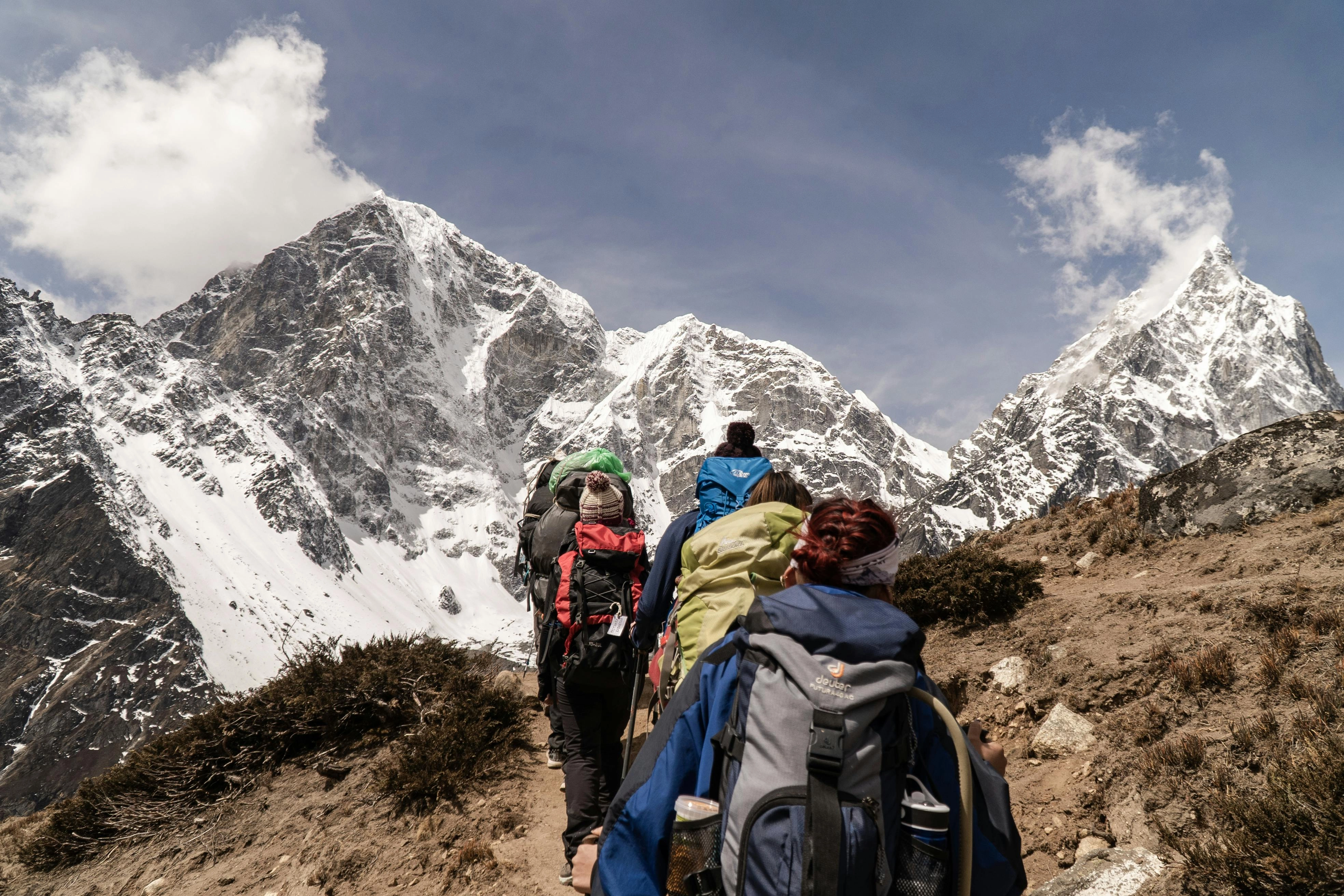
The Everest Three High Pass Trek is one of the most adventurous ways to explore the Khumbu region. This circuit links Renjo La, Cho La, and Kongma La three high-altitude passes that offer remote trails, glacier crossings, and unmatched Himalayan views. Along the route, trekkers experience Sherpa culture, sacred monasteries, turquoise lakes, and the majestic rise of Everest, Lhotse, Makalu, and Cho Oyu.
Carefully paced for acclimatization and guided by experienced local experts, this trek challenges your endurance while rewarding you with the finest landscapes in the Everest region.
Itinerary
Arrive at Tribhuvan International Airport, where a representative from AltiNepal Treks greets you and assists with your hotel transfer. After settling in, you can rest from the journey or explore nearby areas such as Thamel. In the evening, attend a short trek briefing covering route details, safety, packing, and last‑minute preparation.
Begin early with a scenic drive to Manthali through rural hills and riverside roads. From Manthali, board a short but memorable mountain flight to Lukla known for its dramatic landing strip. Meet the trekking crew and begin your first day on foot. The trail descends gently through pine forests, small Sherpa settlements, prayer wheels, and suspension bridges before reaching Phakding.
Follow the Dudh Koshi River, cross multiple suspension bridges draped with prayer flags, and enter Sagarmatha National Park at Monjo. The final climb into Namche Bazaar is steep but rewarding, with the first distant glimpse of Everest on clear days. Namche is the cultural and commercial heart of the Khumbu full of lodges, shops, bakeries, and lively Sherpa culture.
Acclimatization is essential. After breakfast, take a steady hike to Everest View Hotel for stunning panoramas of Everest, Lhotse, Ama Dablam, and surrounding peaks. Visit Khumjung village or the Sherpa Culture Museum if time permits. Return to Namche for lunch and spend the afternoon resting, hydrating, and preparing for the next day’s journey.
Take a peaceful trail away from the main EBC route. Walk through juniper forests, mani walls, and small settlements toward Thame, one of the oldest Sherpa villages. Explore the iconic Thame Monastery, an important spiritual landmark.
Gradually ascend through remote high‑valley terrain, passing yak herders’ shelters and ancient trade paths once used for salt caravans toward Tibet. Lungden offers simple teahouses and breathtaking views of rugged ridgelines.
A challenging and rewarding ascent. Climb steadily toward Renjo La Pass through stone steps, icy sections, and windswept ridges. From the top, enjoy one of the most spectacular panoramas in the Himalayas: Everest, Lhotse, Makalu, Cho Oyu, and the glowing turquoise Gokyo Lakes. Descend to Gokyo village beside the third lake. (4,750 m) via Renjo La Pass (5,360 m)
Steep trail → panoramic Everest view → descend to Gokyo.
Ascend early for sunrise over Everest and the vast Ngozumpa Glacier, the longest glacier in the Himalayas. The climb is steep but non‑technical. Return to Gokyo for breakfast and spend the rest of the day resting, exploring lakes, or enjoying panoramic ridgeline walks. (5,357 m) + Rest Day
Sunrise from Gokyo Ri → afternoon rest.
Leave Gokyo and begin crossing sections of the massive Ngozumpa Glacier. The terrain is uneven, with loose rocks and occasional icy patches, so careful footing is important. As you navigate the glacier, enjoy close-up views of Himalayan ice formations. Arrive at Tangnak, a small settlement with basic teahouses, and rest for the upcoming Cho La Pass crossing.
This is one of the toughest days of the trek. Begin early to avoid afternoon ice melt. The ascent to Cho La Pass is steep and often snow-covered, requiring slow and steady movement. At the top, enjoy dramatic mountain panoramas, hanging glaciers, and the distinctive icy saddle of the pass. The descent can be slippery, with glacial debris and boulders. Zhong La offers a well-earned place to rest.
Follow a rocky trail through high-altitude terrain, gradually approaching the heart of the Everest region. The landscape becomes stark, with glacial moraines and rugged ridgelines guiding your path. Arrive at Gorakshep, the last settlement before Everest Base Camp and the starting point for Kala Patthar. The thin air and expansive mountain views make this a memorable stop. (5,100 m) – 5/6 hrs
High-altitude rocky terrain → Gorakshep.
Start before dawn to reach Kala Patthar for sunrise. The ascent is gradual but demanding due to altitude. From the summit, witness one of the best viewpoints of Everest, Nuptse, Pumori, and the Khumbu Glacier. After soaking in the moment, descend to Gorakshep for breakfast and continue trekking to Lobuche, retracing parts of the EBC trail. (4,910 m)
Sunrise over Everest → trek to Lobuche.
Kongma La is the highest and most remote of the three passes. The trail is challenging, with rocky terrain, glacial sections, and often snow at the top. The ascent provides sweeping views of the Khumbu Valley and surrounding peaks, while the descent into the Imja Valley takes you toward Chukung, a peaceful settlement nestled between towering mountains. (4,730 m) via Kongma La Pass (5,535 m)
Final and toughest pass → descend to Chukung.
Recovery & optional short hikes.
Leave Chukung and begin descending along the beautiful Imja Valley. The terrain gradually becomes easier as rocky paths give way to alpine meadows and rhododendron forests. The trail passes through Dingboche and Pangboche, offering magnificent views of Ama Dablam. Upon reaching Tengboche, visit the famous Tengboche Monastery, the spiritual center of the Khumbu region. This peaceful setting, surrounded by Everest, Lhotse, Nuptse, and Thamserku, is a highlight of the journey. (3,800 m) Descend through Imja Valley → monastery visit.
Start with a descent through forests, crossing suspension bridges over the Dudh Koshi River. The trail includes several short ascents and descents, passing through villages like Phunki Tenga and Kyangjuma. As you approach Namche, the trail opens up to sweeping views of the Himalayan range. Return to Namche Bazaar in the afternoon, where you can enjoy warm bakeries, hot beverages, and the vibrant atmosphere of the Sherpa capital. (3,400 m) Forest trail with mountain views.
A long descent awaits as you retrace your steps back to Lukla. Cross high suspension bridges, walk through pine forests, and pass familiar villages like Monjo, Phakding, and Ghat. Although mostly downhill, the final climb into Lukla is gradual and rewarding. Celebrate your successful completion of the Three Passes journey with your guide and porters in the evening. (2,800 m) Long descent → final night in Lukla.
Take an early morning flight from Lukla to Manthali, enjoying one last aerial view of the Himalayas. From Manthali, a 4-hour scenic drive brings you back to Kathmandu. After check-in at your hotel, the afternoon is free for rest, a hot shower, or exploring the streets of Thamel. A relaxing dinner awaits to conclude the day. 20-minute flight → 4-hour drive → hotel.
This day is reserved as a buffer for possible flight delays from Lukla, heavy snowfall on the passes, or health-related slowdowns. If unused, you can enjoy an additional leisure day in Kathmandu for souvenir shopping, spa visits, or optional heritage tours. day for delays.
Includes
Airport pick-up & drop-off
3 nights hotel in Kathmandu (breakfast included)
Teahouse accommodation on trek (twin-sharing)
All meals during trek: breakfast, lunch & dinner
Domestic flights Manthali ↔ Lukla
Professional English-speaking guide
Porter service (1 porter per 2 trekkers)
Insurance for guide & porters
Company duffle bag & sun hat
First aid kit & oximeter
All required permits
All government taxes
Oxygen set available (US $300 charge only if used)
Excludes
Individual travel insurance
International airfare
Nepal visa fees
Personal expenses (cold drinks, alcohol, snacks)
Hot showers during trek
Personal trekking gear
Internet & phone usage on trek
Tips for guide & porters
Notes

Physical Fitness: This trek involves long days, steep climbs, and multiple passes above 5,000 m. Strong trekking experience and solid fitness are essential.
Acclimatization: The itinerary includes proper rest days, but personal pacing is key. Hydrate well, avoid alcohol, and communicate openly with your guide.
Terrain Variation: Expect everything from stone steps and forest trails to glaciers, snowfields, and rocky ridges. Microspikes can be helpful during Cho La or Kongma La crossings.
Accommodation: Teahouses offer simple rooms, warm dining halls, and basic bedding. Higher-altitude lodges may have limited heating and shared toilets.
Food & Hydration: Meals are hearty but simple. Drink 3–4 liters daily. Hot water is available at lodges (paid at higher altitudes).
Weather & Seasons: Conditions change quickly sunny mornings can turn into cloudy, windy afternoons. Always carry extra layers.
Communication: WiFi is available in Namche, Gokyo, and some mid‑region villages (paid). Network coverage becomes limited after Thame and Gokyo.
Packing: Prioritize warm layers, a strong down jacket, waterproof shell, trekking poles, and good boots. Extra socks and gloves are also useful.
Terrain: Expect rocky paths, snow-covered passes, icy traverses, steep ascents/descents, and glacial sections. Renjo La and Cho La may require microspikes in winter months.
Accommodation: Teahouses are basic but warm and friendly. Higher-altitude lodges offer limited facilities.
Weather: Conditions may shift rapidly sun, cold winds, snow, and fog are all possible in a single day. Proper layering and waterproof gear are critical.
Connectivity: WiFi is available in some villages (extra charge). Network coverage becomes weaker after Thame and Gokyo.
Packing: A light pack, sturdy trekking boots, microspikes (optional but useful), hydration system, and warm layers are essential.